%20(1).jpg)
%20(1).jpg)
DHI and FUE Differences: Comparing Hair Transplant Techniques

Updated: Jun 23
Hair loss affects many people, and finding a permanent, natural solution is important. Two popular hair transplant methods are Direct Hair Implantation (DHI) and Follicular Unit Extraction (FUE). Both techniques offer effective results, but they differ in procedure, recovery, and outcomes. Understanding these differences helps in making an informed decision about which method suits your needs best.
Understanding DHI and FUE Differences
DHI and FUE are advanced hair transplant techniques that extract hair follicles from a donor area and implant them into thinning or bald areas. The main difference lies in how the follicles are implanted.
DHI uses a specialized tool called a Choi pen. This device allows the surgeon to extract and implant follicles directly without creating recipient sites beforehand.
The DHI method offers more precision in placement and angle of the hair follicles. This can lead to a denser and more natural-looking result. FUE, on the other hand, is a well-established technique with a longer track record and is often less expensive.
Both methods require local anaesthesia and are minimally invasive. Recovery times are similar, but DHI may have a slightly faster healing process due to less trauma to the scalp.

Procedure Steps and Time Differences
The steps involved in DHI and FUE differ mainly in the implantation phase.
FUE Procedure Steps:
Shaving the donor area.
Extracting follicles one by one using a punch tool.
Creating recipient sites manually with a blade or needle.
Implanting follicles into the recipient sites.
DHI Procedure Steps:
Shaving the donor area.
Extracting follicles using a punch tool.
Implanting follicles directly with the Choi pen without prior site creation.
Because DHI combines extraction and implantation in one step, the procedure can take longer but offers more control over hair direction and density. FUE is usually faster but requires two separate steps for extraction and implantation.
Both procedures typically last between 4 to 8 hours depending on the number of grafts needed. The choice between DHI and FUE may depend on your schedule, budget, and desired precision.
What did Elon Musk use to regrow his hair?
Elon Musk’s hair restoration journey has attracted public interest. While he has not officially confirmed the exact method, experts speculate that he likely underwent a hair transplant procedure. Given the natural appearance and density of his hair, it is possible that he used an advanced technique such as FUE or DHI.
Celebrities often choose minimally invasive methods with natural results. Both DHI and FUE fit this description. The choice depends on the surgeon’s expertise and the patient’s hair characteristics.
Recovery and Aftercare for DHI and FUE
Recovery after hair transplant surgery is an important consideration. Both DHI and FUE have similar aftercare requirements but differ slightly in healing time.
FUE Recovery: The small extraction sites heal within 7 to 10 days. Some redness and scabbing may occur. Patients should avoid strenuous activity and direct sun exposure during this period.
DHI Recovery: Since DHI causes less trauma to the scalp, healing can be faster. Redness and scabbing are usually minimal and resolve within a week.
Aftercare tips for both methods include:
Keeping the scalp clean and dry.
Avoiding scratching or picking at the transplanted area.
Using prescribed medications or shampoos.
Following the surgeon’s instructions on washing and styling hair.
Proper aftercare improves graft survival and overall results. Regular follow-up appointments help monitor progress and address any concerns.
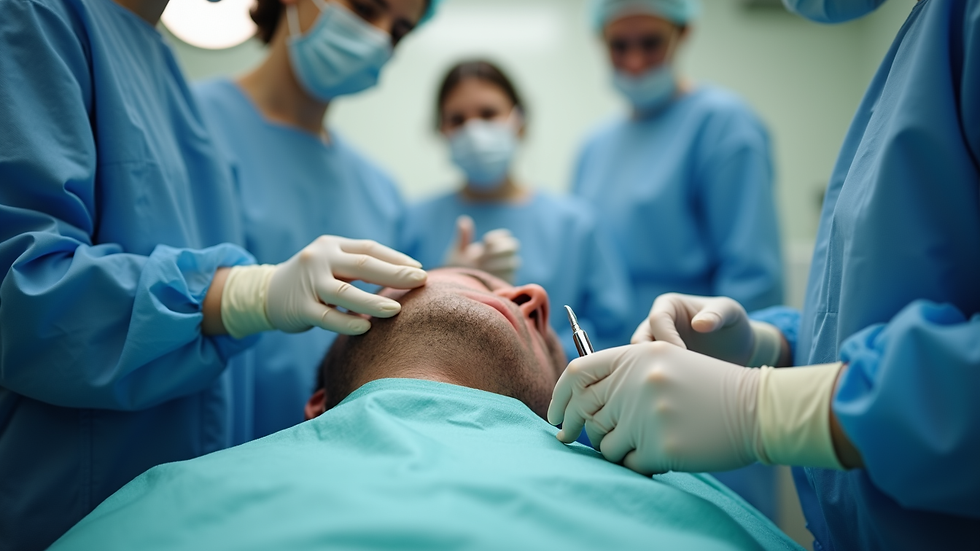
Eye-level view of a clinic room prepared for hair transplant surgery
Choosing Between DHI and FUE: What to Consider
When deciding between DHI and FUE, consider the following factors:
Hair Density and Coverage Needs: DHI allows for higher density due to precise implantation. If you want a very natural and dense look, DHI may be preferable.
Budget: FUE is generally more affordable. DHI’s advanced tools and longer procedure time can increase costs.
Recovery Time: DHI may offer quicker healing, which is important if you want to return to normal activities sooner.
Surgeon Experience: The skill of the surgeon is critical. Choose a clinic with experienced professionals in both techniques.
Scalp Condition: Some scalp types respond better to one method over the other. A consultation can help determine the best option.
For those seeking more information, exploring the dhi vs fue hair transplant debate can provide additional insights.
Final Thoughts on Hair Transplant Techniques
Both DHI and FUE offer effective, permanent solutions for hair loss. They restore hair naturally and improve confidence. The choice depends on individual needs, budget, and preferences.
DHI South Africa aims to provide advanced, natural-looking hair transplant solutions with high patient satisfaction. Understanding the differences between DHI and FUE helps in making the best decision for your hair restoration journey.
If you are considering a hair transplant, consult with a qualified specialist. They can assess your hair loss pattern and recommend the most suitable technique. With the right approach, you can achieve lasting, natural results that enhance your appearance and well-being.


Comments