%20(1).jpg)
%20(1).jpg)
Female Hair Loss Treatment: A Compassionate Guide to Clinical Restoration

Did you know that up to 50% of women will experience noticeable hair thinning during their lifetime? It's a staggering statistic that often feels incredibly isolating when you're the one seeing more hair in the brush than on your scalp. You've likely spent hours searching for an effective female hair loss treatment, only to be met with conflicting advice or the fear of a result that looks obvious and unnatural. We understand that this isn't just about aesthetics; it's about the quiet erosion of self-assurance that occurs when your reflection no longer feels like your own.
The good news is that clinical science now offers permanent, discreet solutions that can be seamlessly integrated into a busy lifestyle. This guide explores the biological causes of thinning whilst detailing advanced restoration options, such as Direct Hair Implantation (DHI), which focuses on the precise placement of individual hairs to ensure a natural hairline. You'll learn how autologous treatments use your own biological material to stimulate growth and why modern clinical techniques leave no visible scarring. We'll provide the clarity you need to move from confusion to a definitive plan for restoring your hair density and confidence.
Table of Contents
Understanding Female Hair Loss: More Than Just a Cosmetic Concern
For many women in South Africa, hair is far more than a stylistic choice; it's a profound expression of identity, heritage, and health. When you start noticing more hairs on your pillow or a thinner ponytail, the emotional weight can feel overwhelming. It isn't just a cosmetic concern. It's a medical reality that affects millions. Scientific data suggests that up to 50% of women will experience some form of hair thinning in their lifetime. This condition, often referred to as Pattern hair loss, differs significantly from the way men lose hair. Whilst men often see a receding hairline or a bald spot at the crown, women typically experience a general decrease in volume across the entire scalp.
Understanding this process starts with the hair follicle's life cycle. Your hair grows in three distinct phases: the anagen phase, which is the active growth period that can last several years; the catagen phase, a short transition; and the telogen phase, where the hair rests before eventually shedding. In a healthy scalp, about 90% of hairs are in the growth phase at any given time. However, when the cycle is disrupted, more hairs enter the resting phase simultaneously, leading to visible thinning. Transitioning your perspective from "shame" to "medical diagnosis" is the first step toward finding an effective female hair loss treatment. It's about treating a biological imbalance with the same rigour you would any other health concern.
Common Signs of Thinning in Women
Recognising the early symptoms allows for more successful intervention. You might notice a widening of your centre part line, which often takes on a "Christmas tree" pattern as it spreads toward the top of the head. Another common sign is diffuse thinning, where the scalp becomes more visible through the hair on the crown. Some women also experience receding hair at the temples or a general thinning around the hairline. These signs indicate that the follicles are miniaturising, producing finer, shorter hairs over time until they eventually stop producing hair altogether.
The Psychological Impact of Alopecia
The link between hair and self-esteem is deeply rooted. For many, thinning hair feels like losing a part of their public persona, which can lead to social anxiety or a loss of confidence. Choosing to seek a professional female hair loss treatment isn't an act of vanity; it's an empowered act of self-care. Modern clinical restoration offers a path to reclaim that lost confidence through permanent, natural-looking results. By addressing the issue early, you're not just fixing a look; you're investing in your long-term well-being and sense of self.
Identifying the Root Cause: Why Diagnosis is the First Step
Many women begin their journey toward restoration with a bathroom cabinet full of "miracle" shampoos and shop-bought vitamins. Whilst these supplements might support general wellness, they rarely function as an effective female hair loss treatment because they fail to address the underlying biological triggers. Effective restoration requires more than a one-size-fits-all approach. It demands a precise medical diagnosis to determine why your hair cycle has been disrupted. Without this clarity, you're merely treating the symptoms rather than the cause.
Genetics play a primary role in thinning, specifically through a condition known as Androgenetic Alopecia. However, environmental factors in South Africa, such as our intense UV levels and dry climate, can further compromise scalp health and follicle resilience. According to Harvard Health on female hair loss, a formal evaluation is necessary to distinguish between temporary shedding and permanent thinning. This distinction is vital because the clinical path for each is vastly different.
The Role of Hormones and Genetics
Hormonal fluctuations are often the "silent" drivers behind a sudden loss of density. Significant life events, such as the period following pregnancy or the onset of menopause, can trigger a shift where more hairs enter the resting phase prematurely. There's also a common misconception that women only inherit thinning genes from their paternal side. In reality, genetic predisposition can come from either parent. Gaining a deeper perspective on understanding hair loss helps to demystify these patterns and removes the unearned stigma often associated with the condition.
Diagnostic Tools: Digital Trichoscopy
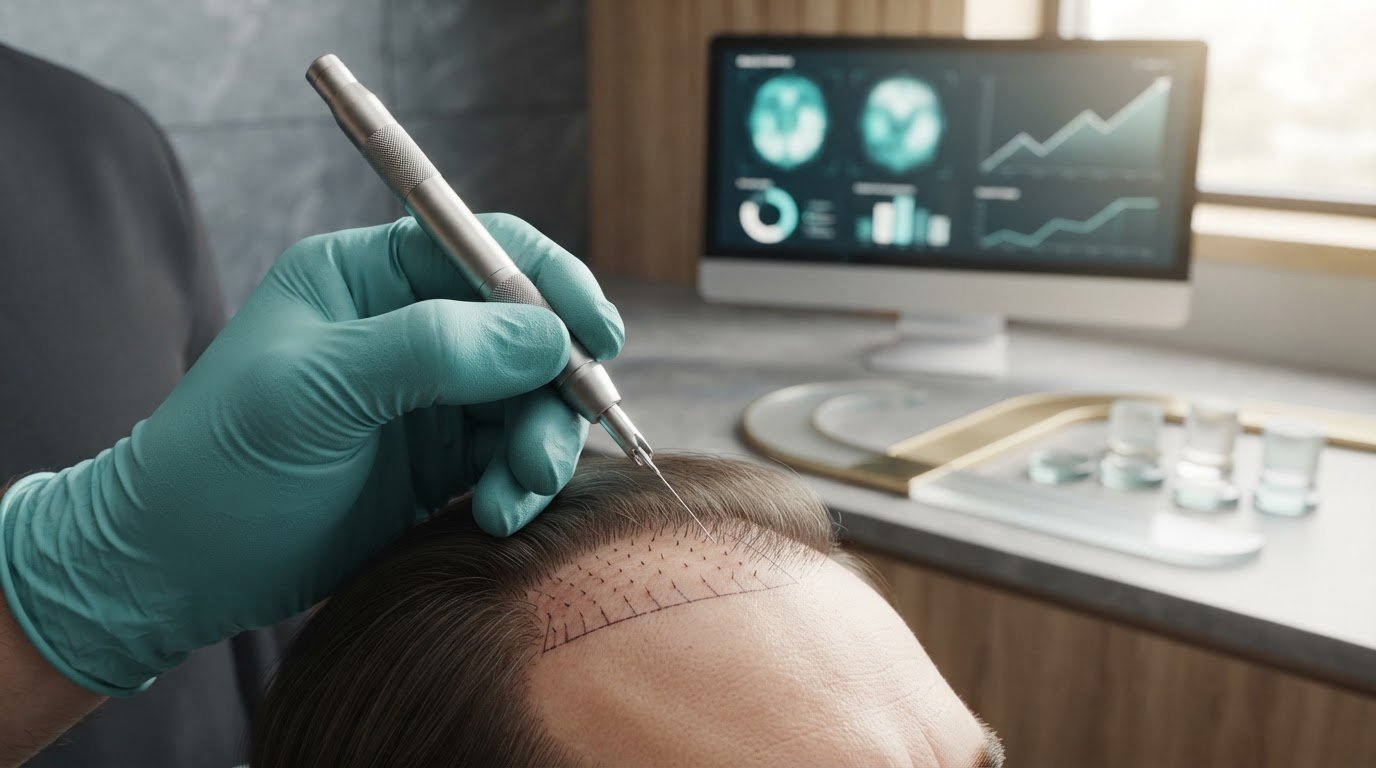
We believe that clinical decisions should be based on data, not guesswork. Digital trichoscopy is a sophisticated, non-invasive diagnostic tool that provides a high-resolution analysis of your scalp and follicles. This technology allows us to measure follicle miniaturisation, a process where individual hairs become progressively thinner and weaker over time. By calculating the exact ratio of thick to fine hairs, we can predict future thinning patterns with remarkable accuracy. This evidence-based report forms the foundation of a bespoke treatment plan tailored to your unique scalp profile. If you're seeking answers, you can book a professional scalp analysis to receive a clear, scientific map of your hair health.
Advanced Non-Surgical Therapies: Revitalising Follicles Naturally
Following a comprehensive diagnosis, the next step in your journey involves selecting a biological pathway to restoration. Modern clinical science has introduced sophisticated non-surgical options that prioritise your comfort and time. These autologous treatments use your body's own biological material to stimulate healing and growth. As highlighted in the Mayo Clinic's guide to hair loss treatment, non-invasive approaches are essential tools in managing thinning. For many women, the ideal female hair loss treatment involves these "lunch-break" procedures that require zero downtime and fit seamlessly into a busy South African lifestyle.
The primary goal of these therapies is to intervene in the thinning process before follicles stop producing hair entirely. By delivering concentrated nutrients and regenerative cells directly to the scalp, we can effectively thicken existing hairs and wake up dormant follicles. This approach doesn't require a hospital stay or a lengthy recovery period. It's a steady, scientifically grounded method of restoring density whilst maintaining your daily routine without interruption.
Growth Factor Concentrate (GFC) Therapy
Growth Factor Concentrate (GFC) Therapy is a refined evolution of traditional regenerative medicine. This procedure involves extracting highly concentrated growth factors from your own blood and delivering them precisely to the areas of the scalp where thinning is most evident. Unlike earlier methods, GFC is a highly purified preparation that provides a more potent and consistent dose of the proteins required for follicle repair. By improving scalp circulation and revitalising follicles that have begun to weaken, GFC effectively reverses miniaturisation. This results in the production of thicker, more resilient hairs and a noticeable increase in overall density.
Regenera Activa: Autologous Micro-Grafting
For patients seeking a more intensive, single-session intervention, Regenera Activa offers a breakthrough in cellular therapy. This autologous micro-grafting technique uses progenitor cells, which are naturally occurring cells that trigger regeneration, harvested from a small, discreet sample of your own tissue. It targets androgenetic alopecia at a cellular level, providing the follicles with the biological signals they need to stay in the anagen, or growth, phase for longer. Most women report a significant reduction in shedding and a visible increase in hair volume within three to six months of the procedure. You can learn more about these advanced hair loss solutions and how they can be combined with our ISO-accredited safety protocols for even more comprehensive results.
The Art of Hair Restoration: Surgical Solutions Tailored for Women
Restoring a woman's hair requires a different surgical philosophy than treating male pattern baldness. It isn't just about covering skin or filling a gap. It's about recreating the subtle flow, softness, and density that defines a feminine profile. This is why we view surgical restoration as a sophisticated medical art form. A successful female hair loss treatment must account for diffuse thinning patterns, ensuring that new hairs blend perfectly with existing ones without causing trauma to the surrounding follicles.
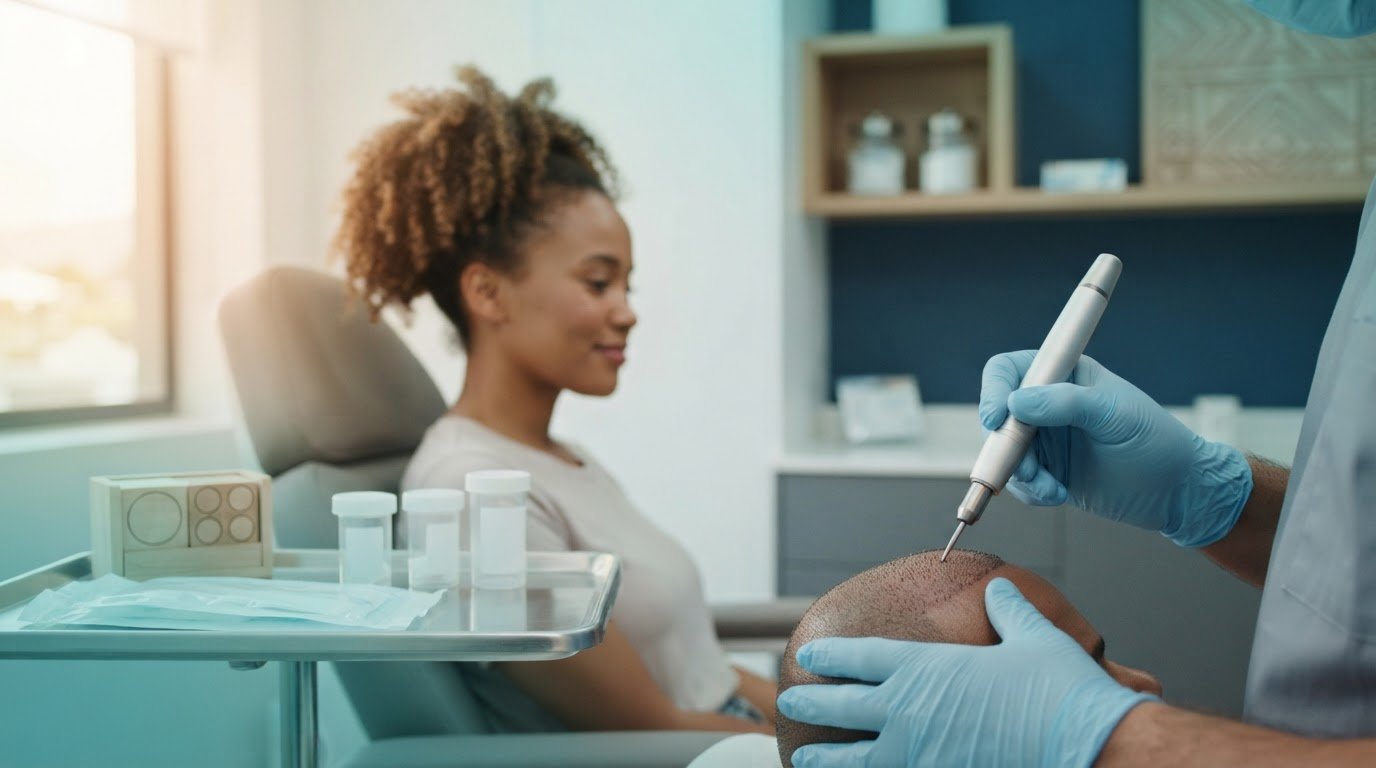
Direct Hair Implantation (DHI) stands as the gold standard for this level of precision. Unlike older, more invasive methods, the patented DHI technique allows our certified medical specialists to have total control over the angle, depth, and direction of every hair placed. This level of meticulous detail is vital for achieving a result that is completely indistinguishable from your natural growth. With a survival rate of over 90%, these implanted hairs are genetically resistant to thinning, providing a permanent solution that grows for a lifetime.
Unshaven DHI: Total Discretion
Discretion is almost always the top priority for our patients. You likely don't want the world to know you've had a procedure; you simply want them to notice how healthy and vibrant you look. Our "unshaven" DHI technique is specifically designed for this need. We can implant hairs amongst your existing ones without the need to shave the recipient area. This approach allows for an "invisible" recovery, meaning you can return to your professional or social life almost immediately. It's a sophisticated, "safe pair of hands" approach that respects your privacy whilst delivering world-class results.
Restoring Density and the Hairline
The goal of any restoration is to create a balanced, youthful facial profile. For many women, this involves lowering a high hairline or filling in the temples to create a more feminine frame for the face. This is also a vital path for those seeking traction alopecia treatment, where years of tight styling have caused permanent loss along the edges. By placing thousands of hairs with artistic precision, we can build significant density that looks and feels entirely authentic. You can view our gallery of natural DHI results to see how this specialised approach transforms the lives of our patients by restoring both their hair and their self-assurance.
Reclaiming Your Confidence: The DHI Path to Permanent Results
Choosing a female hair loss treatment is far more than a medical decision; it's a permanent investment in your future self-assurance. Unlike temporary fixes that require constant maintenance or recurring costs, clinical restoration offers a result that matures and strengthens over time. You are choosing a path that moves beyond camouflage and toward a genuine, lasting solution. By placing your trust in a world-class institution, you're opting for a "safe pair of hands" that prioritises both medical excellence and aesthetic artistry. Our protocols are rooted in global standards, ensuring that every step of your journey is governed by the rigorous DHI Total Care System and ISO-accredited safety measures.
The hairs we transplant are harvested from areas genetically resistant to thinning. This means they retain their strength and vitality for a lifetime, regardless of future hormonal shifts or aging. You're not just moving hair; you're restoring a permanent frame for your face. This transition from thinning to density is a life-changing transformation delivered with the calm, measured composure of medical experts. It is a sophisticated approach to a deeply personal concern.
The Survival Advantage
The success of any restoration depends on one critical factor: hair survival. Whilst some older industry methods struggle with survival rates as low as 50-60%, the patented DHI technique consistently achieves a survival rate of over 90%. This success is largely due to our specialised implanter tool. This device allows for the placement of hairs without the need for prior incisions or "slits" in the scalp, which significantly reduces trauma to the delicate follicles. This gentler approach ensures that the hairs thrive in their new location and continue to grow naturally. Your hair is yours again.
Your Journey to Restoration
In South Africa, your path begins with a transparent, data-driven consultation designed to provide absolute clarity. We don't believe in high-pressure tactics. Instead, we focus on education and providing a realistic roadmap for your specific needs. The DHI Total Care System ensures that your treatment is bespoke, safe, and effective from the initial diagnosis to the final result. You don't have to accept thinning as an inevitable part of your life. It is possible to reclaim your density and your identity. We invite you to take the first empowered step by visiting our clinic for a professional evaluation.
A Permanent Solution for Your Hair and Your Confidence
Restoring your hair is about more than just physical density; it's about reclaiming the self-assurance that thinning may have taken away. We've explored how a precise medical diagnosis, powered by digital trichoscopy, replaces guesswork with clinical certainty. Whether you choose the revitalising path of non-surgical autologous therapies or the artistic precision of Direct Hair Implantation, you are choosing a permanent investment in yourself. Finding the right female hair loss treatment shouldn't be a source of stress, especially when you have access to over 50 years of global expertise and a patented technique trusted by medical professionals and celebrities alike.
You deserve a solution that fits your lifestyle whilst delivering natural, scar-free results that grow for a lifetime. This is a journey you don't have to walk alone. Our specialists are here to provide the clarity and compassionate care you need to move forward with absolute trust.
Your reflection should always feel like your own. By taking this first step, you're choosing to prioritise your well-being and embrace a future where your hair is once again a source of pride.
Frequently Asked Questions
Is female hair loss treatment permanent?
Surgical hair restoration is a permanent solution because the hairs we use are genetically resistant to thinning. We harvest these hairs from the donor area at the back of your scalp, where follicles aren't affected by the hormones that cause loss. Once they're implanted into the thinning areas, they retain this resilience and continue to grow for a lifetime. This makes the procedure a definitive, long-term investment in your appearance.
Will I have to shave my head for a hair transplant?
You don't have to shave your head when choosing the DHI technique. We specialise in an "unshaven" approach that allows our medical experts to implant hairs amongst your existing hair length. This ensures total discretion, so you can leave the clinic without any obvious signs of a procedure. It's the perfect choice for women who wish to keep their restoration journey private whilst maintaining their current style.
How many hairs will I need to restore my density?
The specific number of hairs you need is unique to your scalp and is determined during a digital trichoscopy analysis. A minor restoration of the temples might require approximately 1,500 hairs, whilst more diffuse thinning across the crown could need 4,000 hairs or more. Our goal is always to achieve a natural density that blends seamlessly with your existing growth for a sophisticated, balanced result.
Can traction alopecia be reversed with DHI?
Traction alopecia can be successfully reversed using Direct Hair Implantation once the follicles have reached a stage of permanent scarring. When tension from tight styling causes follicles to stop producing hair, surgical placement is the only way to restore the hairline. This is a common female hair loss treatment in South Africa, helping many women reclaim a natural frame for their face and restore their lost confidence.
Is the treatment painful, and what is the recovery time?
The procedure is virtually painless as we use a local anaesthetic to ensure you stay comfortable throughout the session. You might feel a slight pressure during the implantation process, but many patients find the experience quite relaxing. Recovery is remarkably swift; most women return to their normal routine within 48 hours. Because we don't use scalpels or stitches, there's no visible scarring and minimal post-procedural downtime.
How much does female hair loss treatment cost in South Africa?
Costs for restoration are bespoke and depend entirely on your specific hair loss stage and the number of hairs required. Every scalp is different, which is why a one-size-fits-all price doesn't exist in a high-end clinical environment. During your initial consultation, we provide a transparent, data-driven report that outlines the exact requirements for your female hair loss treatment, ensuring you have total clarity before making a decision.
Can hormones affect the success of my hair restoration?
Hormonal shifts can influence your overall hair health, but they don't affect the survival of transplanted follicles. Conditions like menopause or thyroid imbalances can cause general thinning, which is why we often recommend managing these factors alongside your restoration. However, the hairs moved during a DHI procedure are chosen for their genetic resistance, meaning they'll continue to grow naturally regardless of future hormonal changes.
What is the difference between PRP and GFC for women?
GFC, or Growth Factor Concentrate, is a more advanced and purified evolution of traditional PRP therapy. Whilst PRP contains various blood components, GFC extracts only the specific growth factors needed to revitalise thinning follicles. This provides a more potent and consistent stimulus for hair growth. For many women, GFC is the preferred non-surgical option because it offers enhanced results for thickening existing hairs and reducing daily shedding.

Comments