%20(1).jpg)
%20(1).jpg)
Medical Hair Restoration in South Africa: A Clinical Guide to Permanent Results

Updated: Aug 24
Why do some hair transplants look flawlessly natural for decades whilst others leave patients dreading the mirror just months later? It's a question that weighs heavily on anyone considering medical hair restoration in South Africa, especially when you're faced with a confusing array of surgical techniques and varying safety standards. You want to regain your confidence, not trade one insecurity for another. We understand that the anxiety over a "pluggy" or unnatural result is often just as stressful as the hair loss itself.
You deserve a solution that's rooted in clinical excellence rather than marketing promises. This guide will help you discover the scientific standards of medical-grade restoration and how to choose a certified clinical path to permanent, natural hair growth. We'll examine why having a doctor personally handle the placement of every one of your hairs is non-negotiable for safety and artistry. You'll also learn how to achieve high survival rates and a hairline that ages gracefully, all within a sophisticated, world-class medical environment designed for your comfort and long-term success.
Table of Contents
What is Medical Hair Restoration and Why Does Specialisation Matter?
Hair loss often feels like a loss of identity. It's not a cosmetic quirk; it's a physiological shift that requires more than a surface-level fix. When we discuss medical hair restoration, we're referring to a precise clinical branch of medicine. It focuses on the permanent redistribution of healthy hairs from a donor area to where they're needed most. This isn't about "plugs" or "patches"; it's about using your own biological material through autologous micro-grafting to ensure the results are as natural as the hair you were born with.
Gaining clarity on What is Medical Hair Restoration helps distinguish it from high-volume "cosmetic" clinics. In a truly clinical setting, every step is performed by a certified doctor, not a technician. This matters because a doctor understands the delicate vascularity of the scalp and the aesthetic nuances of hair growth patterns. Choosing a specialised path for medical hair restoration ensures that your safety and long-term appearance remain the absolute priority.
To better understand this concept, watch this helpful video:
The Shift from Cosmetic to Clinical Standards
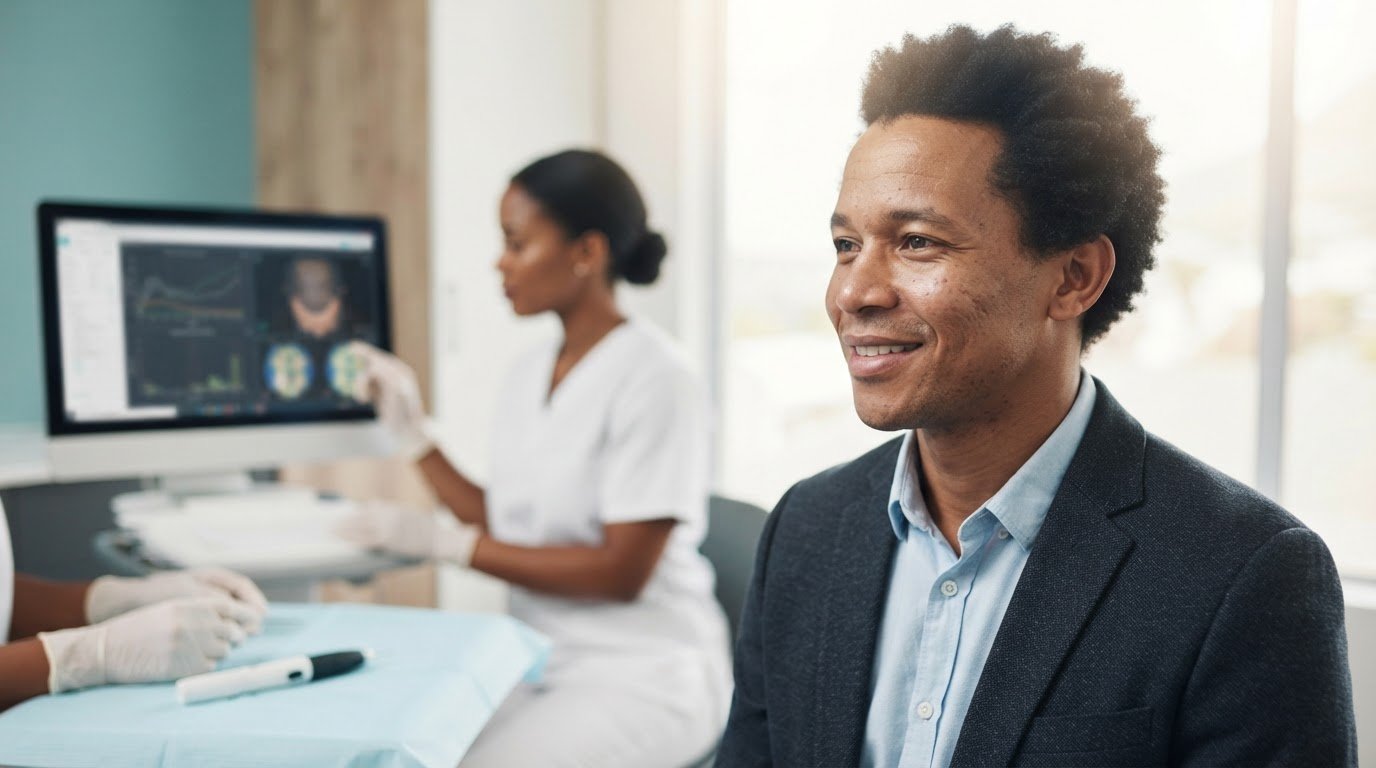
The environment where your procedure happens dictates your outcome. Medical-grade restoration moves beyond the aesthetic clinic into a sterile, surgical facility with rigorous safety protocols, such as those accredited by ISO or the CQC. This begins with a deep diagnostic phase. We use digital trichoscopy, a high-magnification analysis of the scalp and hair follicles, to determine the exact cause of thinning or loss. It's this scientific foundation that ensures we aren't just treating symptoms, but providing a sustainable solution that respects your long-term scalp health.
Understanding the Hair Cycle: Anagen to Telogen
Successful restoration depends on a deep respect for the hair cycle. The anagen phase is the active growth period, and it's our primary target for long-term density. Many follicles that appear "lost" are simply stuck in the telogen, or resting, phase. Clinical treatments like GFC therapy use growth factors from your own blood to revitalise these dormant follicles. By understanding this biology, we don't just restore what's gone; we help preserve the hairs you still have. This clinical foresight prevents future thinning in non-treated areas, ensuring your results look natural as you age.
The Science of Direct Hair Implantation (DHI) in South Africa
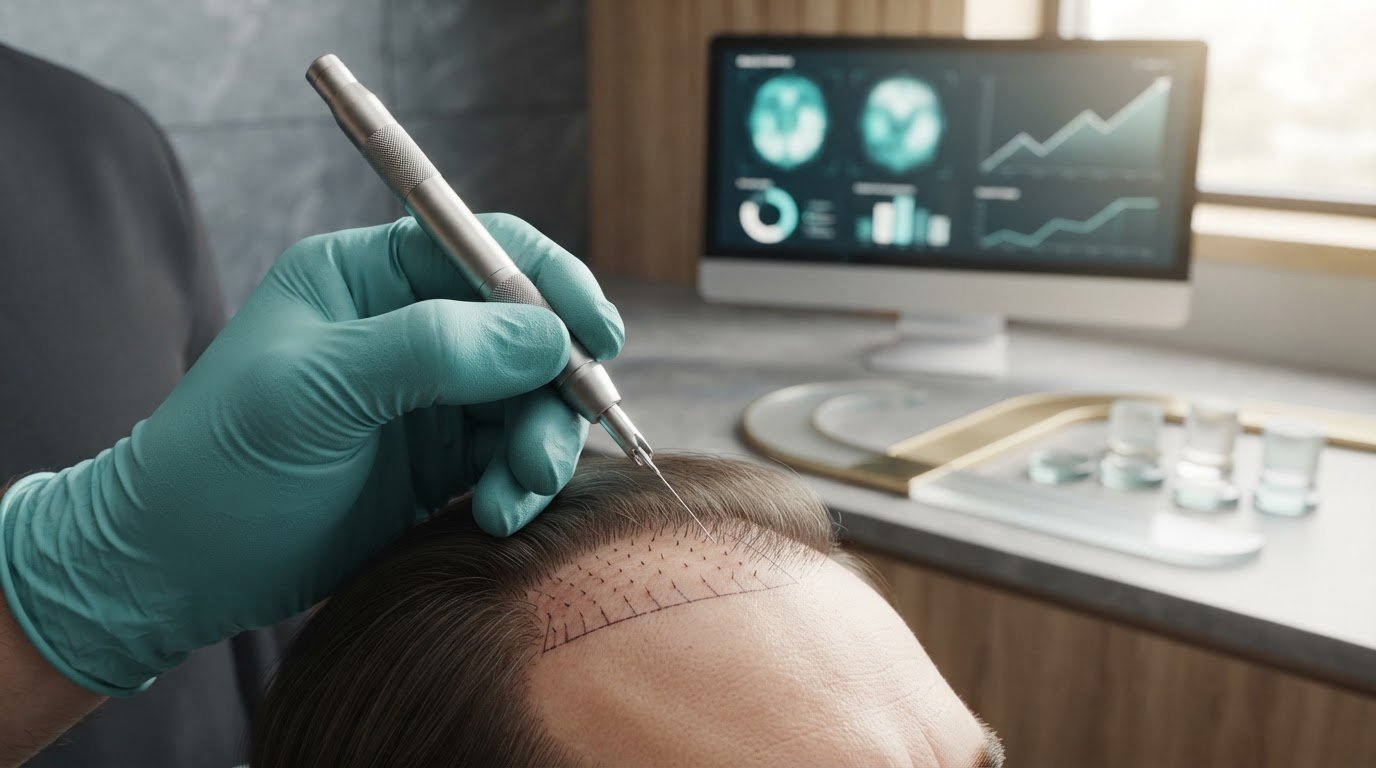
When you examine the results of medical hair restoration south africa, the difference lies in the tools and the hands that hold them. Direct Hair Implantation (DHI) is a patented, single-step technique that removes the traditional "reception hole" phase. Instead of creating incisions and then placing hairs, a certified doctor uses the specialised DHI Implanter to extract and place each hair simultaneously. This approach minimises the time follicles spend outside the body, which is a critical factor in ensuring their long-term vitality.
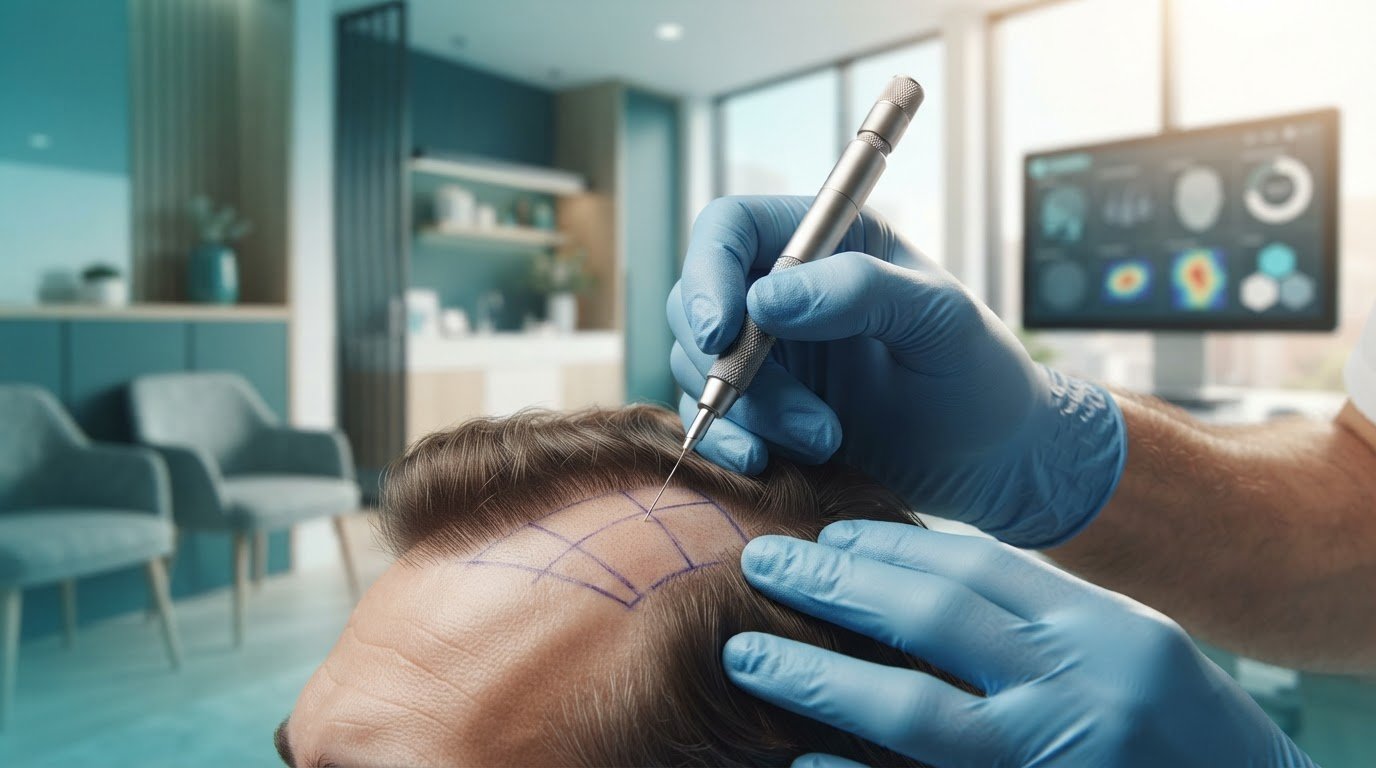
The DHI Implanter is the cornerstone of this clinical precision. It gives the doctor total control over the angle, depth, and direction of every hair placed. This level of detail is what prevents the unnatural "pluggy" look of older methods, ensuring your new hairline blends seamlessly with your existing growth. By using micro-tools with a diameter of 1mm or less, we facilitate a "no-stitch, no-scar" experience. This leads to significantly faster healing times, often allowing patients to return to their daily routine within just a few days.
Survival rates are the true measure of clinical success. Whilst the industry average for hair survival often hovers between 50% and 60%, the DHI technique consistently achieves rates exceeding 90%. This efficiency is backed by clinical research into The Science of Hair Implantation, which emphasises the importance of minimising tissue handling. If you're interested in seeing how these scientific standards translate into real-world outcomes, you can explore our range of specialised treatments.
Autologous Growth Factors and GFC Therapy
Success isn't just about the surgical placement; it's about the biological environment we create for the new hairs. Growth Factor Concentrate (GFC) therapy uses your own blood to stimulate thinning areas. We use a precise centrifugation process to isolate and concentrate the specific growth factors that trigger follicular repair. When we combine GFC with surgical restoration, we provide a biological boost that improves the survival of newly placed hairs and revitalises surrounding follicles.
Regenera Activa: The Power of Progenitor Cells
For those facing the early stages of androgenetic alopecia, Regenera Activa offers a multitargeted answer to thinning. This one-session medical treatment uses progenitor cells extracted from your own scalp to curb the miniaturisation process. These stem cells work to restore a natural hair cycle without the need for invasive surgery. It's an ideal clinical option for patients who want to stop hair loss in its tracks whilst maintaining their current density and scalp health.
Comparing Medical Restoration Techniques: FUE vs. DHI
Choosing the right technique is the most critical decision you'll make on your restoration journey. Follicular Unit Extraction (FUE) was a landmark development that DHI helped pioneer in 2002 by introducing motorised extraction. It moved the industry away from invasive strip surgeries, but technology has since evolved. In the landscape of medical hair restoration south africa, the DHI technique represents the next generation of patient care. Whilst standard FUE requires a doctor to create "reception holes" or slits in the scalp before placement, DHI eliminates this step entirely.
This single-step process significantly reduces scalp trauma. By using a patented implanter tool, the doctor places each hair directly into the skin without the need for pre-cut incisions. This efficiency is why medical-grade DHI is often called the "lunch-hour transplant." Because there are no stitches and the tools are microscopic, the healing process is remarkably fast. Furthermore, reducing the time hairs spend outside the body is vital; less handling translates directly to the higher survival rates that define medical hair restoration south africa at a clinical level.
Why Technique Dictates the Final Aesthetic
The dreaded "pluggy" look of the past was the result of a lack of control. Older techniques couldn't precisely manage the angle or depth of the transplanted hairs, leading to a hairline that looked artificial as it grew. True artistry in medicine requires a doctor to plan the specific placement of 4,000 hairs to mimic your natural growth patterns. Every hair must be angled to blend with your existing profile. You can see the impact of this meticulous planning by viewing these natural hair transplant results, which showcase the seamless finish possible with modern implantation.
The Safety of Single-Use Instruments
Your safety is a non-negotiable clinical standard. We rely on titanium-coated, single-use punches and implanters for every procedure to ensure the highest levels of hygiene. Standardised Operating Procedures (SOPs) are strictly followed to minimise any risk of infection or complications, providing you with peace of mind. Understanding How to Choose a Specialist involves looking for these medical-grade safeguards. For a detailed breakdown of how we protect our patients, please refer to our guide on Hair Restoration Safety Protocols.
How to Choose a Specialist for Medical Hair Restoration
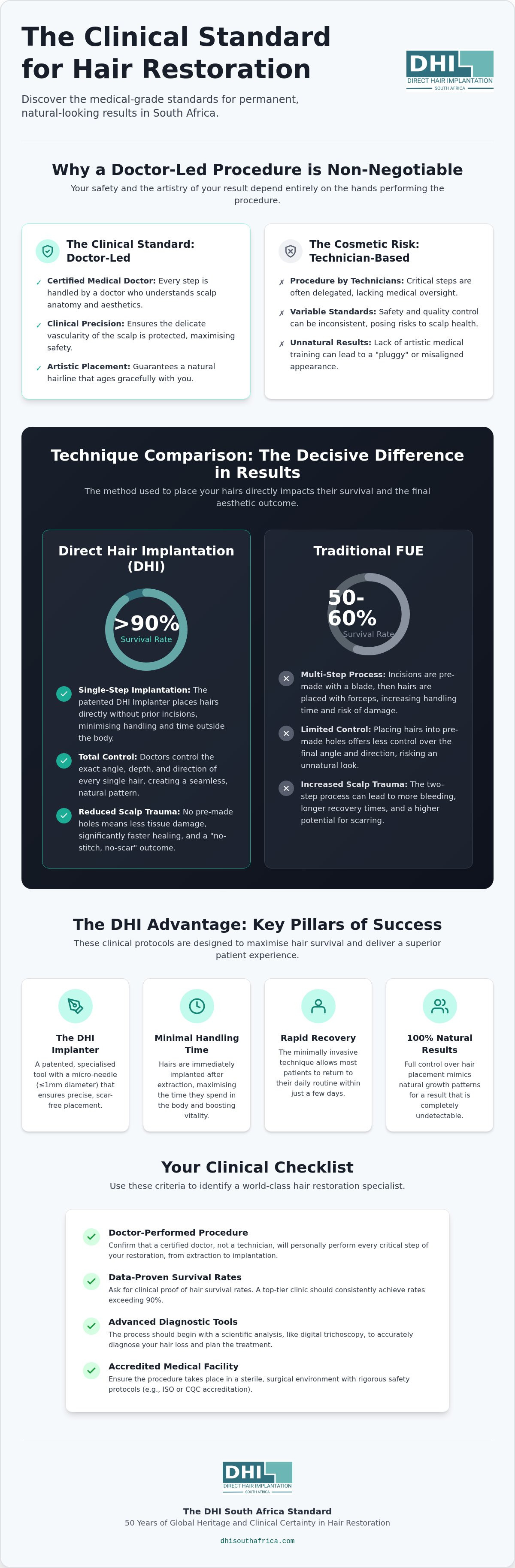
Selecting the right clinic for medical hair restoration south africa is a decision that affects your appearance for the rest of your life. You need to look beyond the brochure. It's essential to find a facility that uses a "Total Care System" to ensure every step is documented. You should always insist on a comprehensive scalp analysis, whether in-person or via a digital trichoscopy, before committing to any surgical path. This allows the specialist to assess your donor area density and hair biology with clinical accuracy.
To learn more about how specialised, objective hair analysis is performed using digital dermascopes, you can explore the clinical diagnostic standards provided by the Swiss Trichology Institute.
Transparency is the hallmark of a world-class institution. When you consult with a specialist, ask for data-driven proof of their outcomes. You want to see hair survival rates that consistently exceed 90%. Many clinics offer vague generalities about "long-lasting results," but a clinical leader will provide clear statistics based on thousands of successful procedures. This level of honesty builds the trust necessary for such a life-changing transformation.
Credential Check: Certified Doctors vs. Technicians
In the field of medical hair restoration south africa, the most significant risk comes from "black market" clinics where non-medical staff perform surgeries. A certified doctor must perform both the extraction and implantation phases to ensure your safety and the aesthetic integrity of the result. Technicians often lack the deep anatomical knowledge required to handle follicles without damaging them. For your peace of mind, always consult our Certified Hair Transplant Doctors checklist to verify a practitioner's credentials before proceeding.
Post-Procedure Monitoring and Aftercare
Clinical excellence doesn't end when you leave the theatre. A true medical-grade aftercare plan includes structured monitoring for up to 18 months to track the growth of every hair. We use a standardised 9-angle photographic series to maintain total accountability for your results. This journey is often supported by specialised hair-loss products and nutraceuticals designed to nourish the scalp and protect existing hairs. This holistic approach ensures that your restoration isn't just a one-time event, but a lifelong investment in your self-assurance.
The DHI South Africa Standard: Leading the National Field
The DHI South Africa Standard isn't just a label; it's a commitment to clinical transparency and patient safety. When you seek medical hair restoration south africa, you deserve to know exactly what to expect from your investment. DHI South Africa provides every patient with a "Total Medical Hair Restoration" report. This comprehensive document outlines the precise number of hairs required for your specific density goals, leaving no room for guesswork or hidden fees. We believe that clear expectations are the foundation of a successful clinical outcome.
This standard is built on over 50 years of heritage. As part of a global network, DHI South Africa has refined its protocols to ensure that every procedure meets world-class benchmarks. We don't just offer a service; we offer a refined medical journey that prioritises your comfort and the longevity of your results. By focusing on the scientific redistribution of hairs, DHI South Africa ensures that your transformation is protected by data and proven methodology. Choosing medical hair restoration south africa through our clinic means choosing a path of absolute clinical certainty.
A Global Heritage in South Africa
Being part of the DHI Global Medical Group means our patients benefit from the collective expertise of 75+ clinics worldwide. This isn't just about scale; it's about consistency. DHI South Africa's local specialists aren't just experienced; they're trained at the world's only international hair transplant academy. This ensures that the same UK CQC and ISO-accredited standards applied in London or Paris are exactly what you receive here in South Africa. It's this global oversight that makes DHI South Africa a "safe pair of hands" for your restoration journey.
Your Next Steps Toward Restoration
If you're ready to move beyond the anxiety of hair loss, exploring hair restoration in South Africa with DHI South Africa is a logical first step. We understand that visiting a clinic can feel like a significant commitment. That's why DHI South Africa offers a low-friction start through our digital scalp analysis. It's a convenient way to get professional feedback from the comfort of your home without any initial pressure. Reclaiming your confidence is a journey rooted in science and medical excellence. Whether you choose a full procedure or a non-surgical treatment, you're choosing a path backed by decades of research. DHI South Africa is here to guide you through every phase, ensuring that your results are natural, permanent, and perfectly suited to your life.
Take the Next Step Toward Clinical Certainty
You've seen how the shift from cosmetic transplants to specialised medical hair restoration south africa provides the security of permanent, natural growth. By choosing doctor-led care and patented tools, you aren't just restoring your hairline; you're investing in a solution backed by over 50 years of clinical research and innovation. This level of specialisation ensures that every hair is placed with the artistry and precision required for a result that ages gracefully with you, avoiding the unnatural look of outdated methods.
Our methodology relies on patented instruments that facilitate scar-free results and industry-leading hair survival rates. It's this commitment to medical excellence that has earned an IMRB-accredited 99% customer satisfaction rate across our global network. You don't have to navigate the anxieties of hair loss alone when world-class expertise is available right here at home.
Reclaiming your self-assurance starts with a single, informed decision. We're here to act as your "safe pair of hands," providing the expert guidance and compassionate care you deserve as you begin this life-changing transformation. Your journey toward a full, natural head of hair is closer than you think.
Frequently Asked Questions
Is medical hair restoration in South Africa covered by medical aid?
Most medical aid schemes in South Africa don't cover hair restoration because they classify it as an elective cosmetic procedure. However, if your hair loss results from a specific medical condition or physical trauma, it's worth checking with your provider. We recommend contacting your scheme directly to confirm their specific policy on reconstructive treatments versus aesthetic ones before you begin your journey.
How many hairs will I need for a full restoration?
The number of hairs required varies significantly based on your individual hair loss stage and desired density. A minor receding hairline might require the placement of 1,500 hairs, whilst extensive thinning could need 4,000 hairs or more. We provide a Total Medical Hair Restoration report after your initial analysis to give you a precise, data-driven count tailored to your unique scalp biology.
What is the difference between a hair transplant and medical hair restoration?
The primary difference lies in the clinical standards and the level of specialisation involved. Traditional transplants are often technician-led "cosmetic" procedures, whereas medical hair restoration south africa is a doctor-led discipline focused on hair survival and long-term scalp health. It involves a deeper diagnostic phase, using tools like digital trichoscopy to ensure the treatment plan addresses the biological root of the loss.
How long does the recovery take after a DHI procedure?
Recovery after a DHI procedure is remarkably swift, with most patients returning to their normal routine within two to three days. Because we use micro-tools that don't require incisions or stitches, the "lunch-hour" nature of the treatment means minimal downtime. You'll receive a detailed aftercare plan to manage the tiny crusts that form, which typically disappear naturally within a week.
Are the results of a medical hair transplant truly permanent?
Yes, the results are permanent because the hairs moved during medical hair restoration south africa are harvested from the "permanent zone" at the back of the head. These follicles are genetically resistant to the hormones that cause thinning. Once they take root in the new area, they'll continue to grow naturally for the rest of your life as long as the scalp remains healthy.
Can women undergo medical hair restoration for thinning hair?
Women are excellent candidates for restoration, particularly when treating female pattern thinning or traction alopecia. Whilst surgical restoration is an option, many women see significant success with non-invasive medical treatments like GFC therapy or Regenera Activa. These clinical solutions focus on revitalising existing follicles to improve density and volume without the need for traditional surgery or significant downtime.
What happens if I don't have enough donor hair?
If your donor area lacks sufficient density, we explore alternative clinical solutions to achieve your aesthetic goals. Options like Scalp Micropigmentation (SMP) can create the illusion of a full head of hair, or we may suggest high-quality medical hair systems. Our goal is to find the most natural-looking path for you, even when surgical redistribution isn't the primary clinical answer.
Is the procedure painful, and will I need general anaesthetic?
The procedure is virtually painless as it's performed under a local anaesthetic, meaning you'll be awake and comfortable throughout. You won't need a general anaesthetic, which significantly reduces medical risks and recovery time. Most patients spend the session relaxing, catching up on series, or reading whilst our certified doctors meticulously handle the placement of every hair to ensure a natural finish.
Comments