

Hair loss after pregnancy: causes and when to seek help

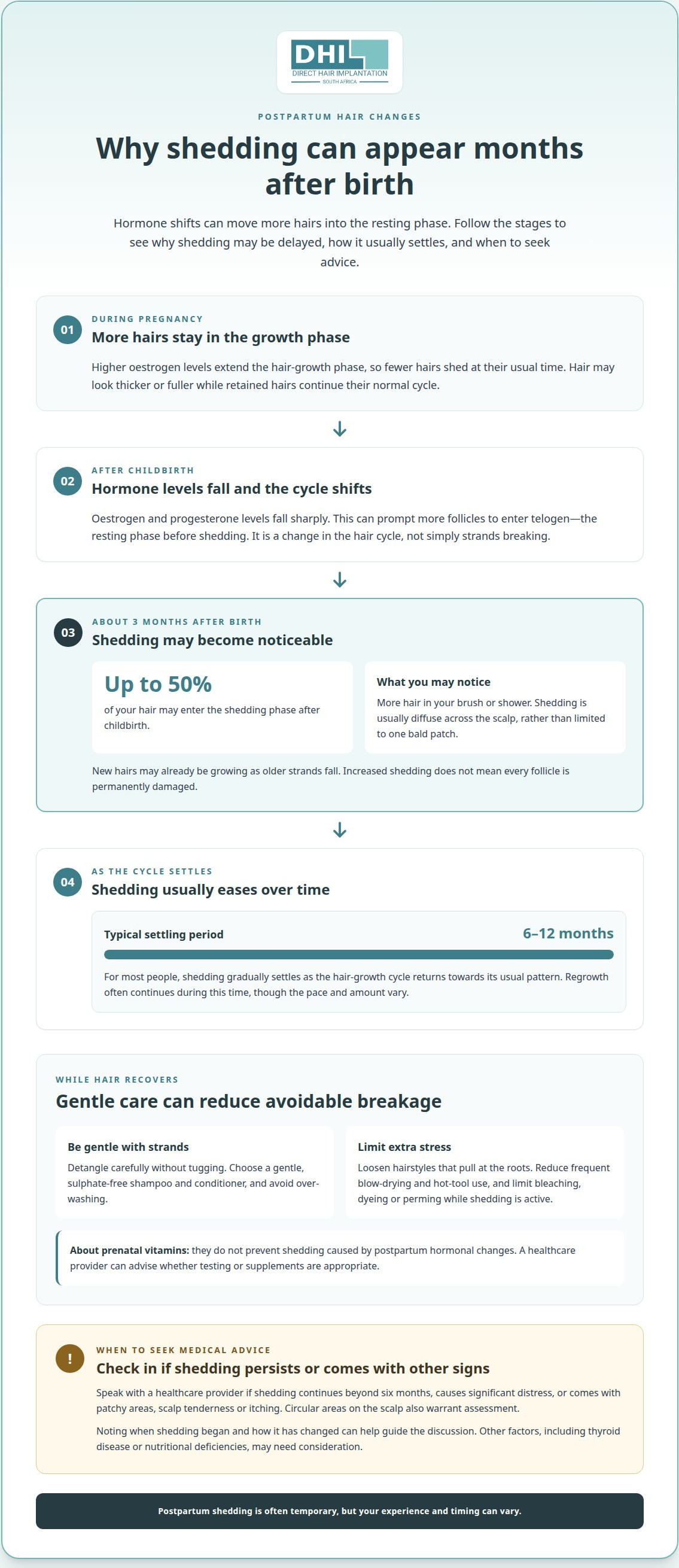
After childbirth, hormonal changes can push up to 50% of your hair into its shedding phase. This temporary hair loss after pregnancy is usually linked to a fall in oestrogen and progesterone, and often settles as your hair growth cycle returns to normal.
Seeing more hair than usual in your brush or shower can feel unsettling, especially while you’re adjusting to life with a new baby. The shedding is commonly called telogen effluvium: more hairs enter a resting phase at once, then fall out as new growth begins. It may become noticeable about three months after giving birth and usually ends within 6-12 months.
This guide explains why postpartum shedding happens, how hormonal changes affect the hair cycle, and when it makes sense to seek medical advice. You’ll also learn what gentle hair care can do, whether prenatal vitamins help, and which signs may point to another cause that needs attention.
Table of Contents
What causes postpartum hair loss?
Postpartum hair loss is increased shedding after childbirth, often linked to the hair-growth cycle. It affects up to 40-50% of women. The term “postpartum” describes the period following birth, while “effluvium” means increased shedding. The change can feel sudden, especially when more hair collects in your brush or shower.
The medical term is telogen effluvium. More follicles than usual enter telogen, the resting and shedding phase, and the hairs fall out while new ones may already be growing beneath the scalp. Shedding is usually diffuse across the scalp rather than confined to one bald patch. A noticeable increase after childbirth does not mean every follicle is permanently damaged.
For most people, shedding gradually settles as the hair cycle returns towards its usual pattern. It commonly resolves within 6-12 months after birth, and regrowth often continues during that time. In rare cases, shedding may persist for up to one year after birth. The amount and timing vary, so one person’s experience may not match another’s.
Hormonal shifts are a common trigger, but not the only possible factor. Physical and emotional stress from childbirth can contribute, and genetic predisposition may make changes more noticeable. If shedding continues beyond the expected recovery period, other factors, including thyroid disease or nutritional deficiencies, may also need consideration.
Prenatal vitamins do not prevent shedding caused by postpartum hormonal changes. They may help prevent vitamin deficiencies during pregnancy, but supplements are not a universal fix for hair loss. Taking extra nutrients without a demonstrated need may not address the cause. A balanced diet supports general hair health, while a healthcare provider can advise whether testing or supplements are appropriate.
Handle shedding hair gently: detangle without tugging and avoid tight hairstyles that pull at the roots. These steps can reduce avoidable breakage, although they do not stop telogen effluvium itself. If you notice circular patches, scalp tenderness or itching, or feel significantly distressed, seek medical advice rather than assuming the shedding is routine.
Postpartum telogen effluvium and hormonal changes
Pregnancy and childbirth shift hormone levels, changing how hair follicles move through their growth cycle. The timing of these shifts helps explain why shedding may appear later.
Hormonal changes during pregnancy
During pregnancy, higher oestrogen levels extend the hair-growth phase, so fewer hairs shed at their usual time. Hair may seem thicker or fuller, even though its follicles continue to follow a repeating cycle. This matters because retained hairs can enter the shedding phase after birth. A fuller appearance during pregnancy does not mean the follicles have stopped cycling.
Hormonal shifts after childbirth
After giving birth, oestrogen and progesterone levels fall sharply. This hormonal shift can prompt more follicles to enter telogen, the resting phase before shedding. The change affects the hair cycle rather than simply causing individual strands to break. Postpartum shedding may become noticeable about three months after childbirth, rather than immediately, because follicles move through their cycle before hairs fall.
How hormones affect postpartum hair
Telogen effluvium describes increased shedding when many hairs reach the resting phase around the same time. After childbirth, hormonal changes can trigger this process, with up to 50% of hair entering the shedding phase. The result may be a more visible loss during washing or brushing. New hairs can grow as older strands fall, although regrowth takes time to become noticeable.
Hormones are not the only possible trigger for telogen effluvium. Illness, stress, surgery and childbirth can each precede a shedding episode. Adoptive mothers and people experiencing hormonal changes through fertility treatments may also notice increased shedding. These examples show why the same pattern can occur without pregnancy itself.
Hair-cycle changes take time to settle as hormone levels stabilise. Hair often regrows by the child’s first birthday, though the amount and pace vary. Gentle care can reduce avoidable damage while follicles continue cycling, but it cannot immediately reset hormone levels. If shedding persists beyond six months or appears patchy, seek medical advice to consider other causes.
When should I see my healthcare provider?
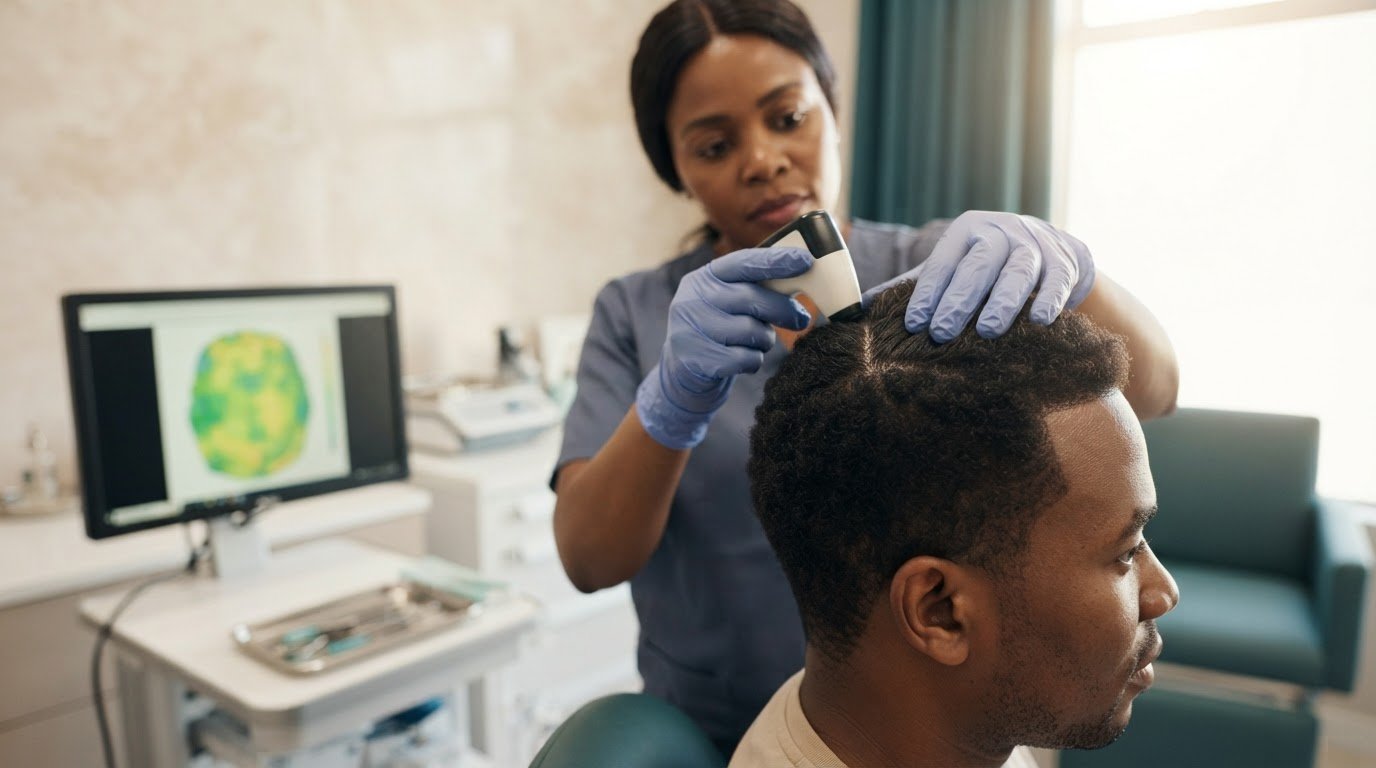
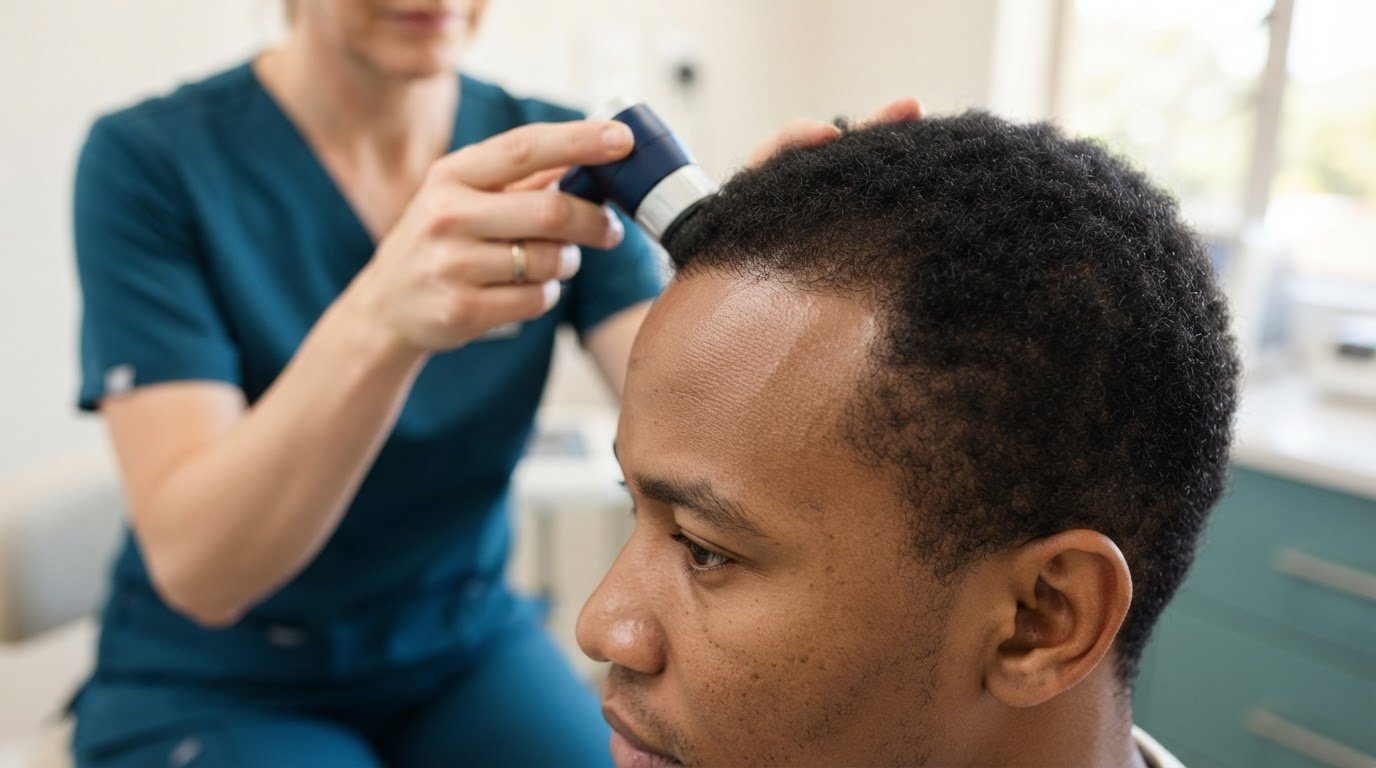
Postpartum shedding often settles, but some signs deserve medical attention. Speak with a healthcare provider if hair loss continues for more than six months, causes significant distress, or comes with scalp tenderness, itching or patchiness. Circular, dull areas on the scalp also warrant assessment. These patterns can point to causes beyond routine shedding. Describing when they began and how they have changed can help guide a discussion with a healthcare provider.
Gentle care can limit breakage while your hair is shedding. Choose a gentle, sulphate-free shampoo and conditioner, and avoid over-washing. Detangle carefully without tugging at the roots. Tight hairstyles can put tension on fragile strands, so looser styles are kinder to the hair. These measures support hair care, but do not change the hormonal process triggered after childbirth.
Heat and chemical treatments can add avoidable stress to hair shafts. Reduce frequent blow-drying and hot-tool use, and limit bleaching, dyeing or perming while shedding is active. If you use a heated tool, lower the frequency rather than repeatedly styling the same section. Handle hair gently, especially when it is wet and easier to stretch or snag. A simpler routine can reduce damage without specialised products.
Stress is another possible trigger for telogen effluvium, alongside childbirth, illness and surgery. Caring for a newborn can make rest difficult, so small, realistic changes may help: accept practical support, take a quiet break when possible, and keep meals regular. These steps support general wellbeing but cannot guarantee a change in shedding. A sudden increase after a stressful event is useful context to share with a healthcare provider.
Oestrogen falls after birth, but ongoing shedding can have other causes too. Untreated or inadequately treated thyroid disease is one possibility. Nutritional deficiencies may also contribute, particularly after childbirth or during breastfeeding. Vitamins and supplements are not a substitute for identifying the cause. A provider can consider your symptoms and whether blood testing is appropriate if a deficiency is suspected.
Seek advice sooner if you notice distinct circular patches, scalp discomfort or itching, rather than waiting for a routine check. A provider can assess the pattern, duration and scalp symptoms together. If shedding is diffuse and improving, gentle styling and suitable products may help reduce breakage while new hair grows. The key distinction is whether the pattern is settling or persisting with symptoms.
Normal daily hair shedding during pregnancy and after birth
During breastfeeding, gentle hair care is a sensible first approach to shedding. Before using medicines or supplements, discuss them with a healthcare provider, as their suitability depends on the treatment and your circumstances.
Hair growth phases and shedding
Hair follicles cycle through active growth, rest and shedding, so losing some strands daily is normal. About 85% to 90% of scalp hair is in active growth at any given time, and this phase can last between two and six years. The resting phase lasts about three months. These staggered cycles explain why everyday shedding does not usually create visible thinning.
People generally lose about 50 to 100 hairs a day. After birth, losing up to 300 hairs a day is described as normal. The total can look striking in a shower or on a brush, yet the number alone does not show whether follicles are recovering. Notice whether thinning is diffuse or appears in distinct patches.
Timing and duration of shedding
Postpartum shedding may become noticeable about three months after giving birth. During pregnancy, higher oestrogen levels extend the growth phase, keeping more hairs growing for longer. After birth, the cycle shifts, and retained hairs can shed around the same period. This delay helps explain why increased shedding may not begin immediately after childbirth.
Hair growth generally returns to its normal cycle after about 6-12 months. New hairs begin growing as older strands fall, although short regrowth may take time to blend with longer hair. Gentle, sulphate-free shampoos and conditioners may help reduce breakage, while tight hairstyles and forceful brushing can add unnecessary pulling.
Breastfeeding and hair shedding
Some women who breastfeed may experience a longer period of shedding than women who do not. Breastfeeding does not make everyone’s hair shed for longer, and the amount varies between new mothers. If shedding continues beyond six months or comes with scalp tenderness, itching or patchy areas, discuss it with a healthcare provider.
Choose hair care that protects fragile strands rather than promising to stop the cycle. Detangle gently, limit heated styling tools, and avoid hairstyles that pull tightly at the roots. These steps can reduce breakage while hair follicles continue their normal growth and resting phases.
Do prenatal vitamins help with hair loss?
Prenatal vitamins don’t prevent hormone-related shedding or telogen effluvium. While breastfeeding, discuss a specific supplement with a healthcare provider before starting it, because its ingredients and your health circumstances matter.
Nutrients linked to hair health
Hair follicles need a balanced supply of nutrients to support normal growth. Protein provides building blocks for hair, while omega-3 fatty acids are found in foods such as fish, nuts and seeds. A varied diet can help you meet nutritional needs after childbirth. It supports general hair health, although it doesn’t reverse shedding caused by hormonal changes.
Biotin, zinc, iron and vitamin D are among the nutrients linked to hair loss when levels are low. This does not mean that taking extra will restore hair if you aren’t deficient. For example, adding biotin without identifying a need may not address the reason for shedding. Ask a healthcare provider about supplements, especially while breastfeeding.
Nutrient deficiencies and hair loss
A nutrient deficiency can contribute to postpartum shedding, particularly after childbirth or during breastfeeding. Restrictive eating or difficulty maintaining regular meals can make a balanced intake harder. If a deficiency is suspected, a healthcare provider may recommend blood testing to identify which nutrient is low. The result can guide advice more precisely than taking several supplements without knowing what your body needs.
Thyroid disease is another possible cause of continued shedding, especially when untreated or inadequately treated. Thyroid symptoms and hair changes should be assessed together, rather than assuming every change is telogen effluvium. Stress from illness, surgery or childbirth can also trigger shedding. Mention recent health changes, diet and medicines during your appointment, as these details provide useful context.
Choose food sources such as fish, nuts, seeds and protein-rich meals where they suit your diet. If you’re considering vitamins while breastfeeding, ask about the specific product and dose first. A healthcare provider can weigh your symptoms, diet and possible deficiency, then advise whether testing or supplements are appropriate. This avoids treating hormone-related shedding as though it were automatically caused by low nutrient levels.
DHI South Africa: Hair Systems & Hairpieces
DHI South Africa may be a next step if postpartum shedding persists or affects your confidence. The right option depends on whether your concern is temporary shedding, continuing hair loss or the appearance of reduced density. Hair changes after childbirth do not automatically mean you need a restoration procedure.
Hair Systems & Hairpieces can offer a cosmetic way to address the appearance of thinning. They do not treat the cause of shedding or change the hair-growth cycle. That distinction matters if your hair is still recovering after pregnancy. You can consider appearance-focused support separately from investigating why your hair is shedding.
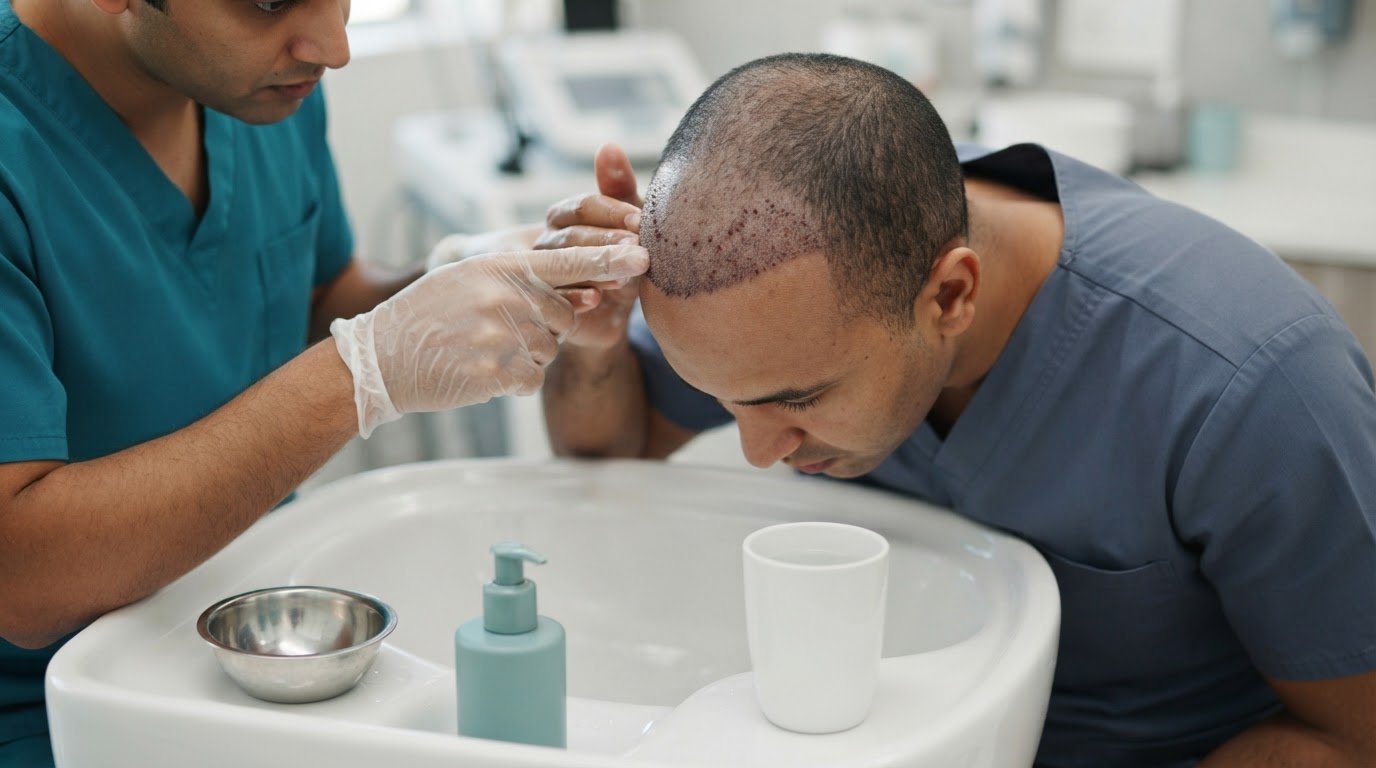
Direct Hair Implantation (DHI) is an option to discuss when hair loss is ongoing rather than a temporary change around childbirth. It is not a default response to postpartum shedding. A decision about a procedure should take account of the pattern and persistence of hair loss, alongside your health circumstances. The treatment name alone cannot establish whether it suits your situation.
GFC Treatment and Regenera Activa are other options in the clinic’s hair-restoration offering. They may be relevant to persistent hair concerns, rather than a substitute for understanding a new episode of shedding. The cause matters: hormone-related changes, a nutrient deficiency and thyroid disease call for different considerations. If shedding continues beyond six months, medical advice can help assess whether another factor needs attention.
It can help to describe when shedding began, whether it is diffuse or patchy, and whether your scalp feels tender or itchy. Mention medicines, supplements and breastfeeding when discussing possible treatment, since these details shape the conversation. If shedding is still within the usual recovery period, gentle hair care and observation may be more appropriate than pursuing a procedure. If hair loss persists or causes distress, you can explore options without assuming one treatment is right for everyone.
For a considered discussion of your hair concerns and the available options, contact DHI South Africa when you feel ready.
Choose a next step that feels right for you
Changes in your hair can affect how you feel about yourself, but you don’t have to decide before you feel ready. If hair loss after pregnancy is still concerning you, consider what would be most useful now: medical guidance about ongoing shedding or support for the appearance of reduced density. The right next step depends on your hair-loss pattern, how long it has persisted and your priorities.
DHI South Africa offers Direct Hair Implantation (DHI), GFC Treatment and Regenera Activa. These are options to discuss when you want to explore hair restoration, not a reason to rush into treatment. A conversation can help you understand what questions to consider and whether further assessment would be useful.
You deserve clear information and the space to make a considered choice. Taking one manageable step towards understanding your options can help you feel more confident about what comes next.
Frequently Asked Questions
Will the hair grow back?
In most cases, hair grows back as the cycle returns to its usual pattern. Early regrowth may appear as short, fine hairs along the hairline or parting before overall fullness changes. If thinning remains pronounced, becomes patchy or continues beyond the expected recovery period, seek medical advice. A healthcare provider can assess whether another factor is contributing, rather than assuming the change is solely postpartum shedding.
Are there ways to prevent or to reduce it?
Hormone-related postpartum shedding cannot be prevented, but gentle care can reduce avoidable breakage. Detangle slowly, avoid tight ponytails that pull at the roots, and limit frequent heat styling. A balanced diet supports general hair health. Prenatal vitamins don’t stop hormone-related shedding, so discuss supplements with a healthcare provider, particularly if you’re breastfeeding or considering a new product.
Can my hair loss affect my baby?
The shedding itself does not affect your baby. Loose hairs can, however, rarely wrap around a baby’s fingers, toes or another small body part. This is called a hair tourniquet and can cause pain or restrict blood supply. If a digit looks constricted, swollen or unusually distressed, check for a wrapped strand and seek prompt medical help if you cannot remove it easily.
When is it necessary to see an expert?
Arrange an assessment if shedding lasts beyond six months, causes significant distress, or comes with scalp itching, tenderness or patchy areas. Circular, dull-looking patches also merit attention. Note when the change began and whether it is widespread or confined to one area. These details, alongside recent illness, medication changes or diet changes, can help a healthcare provider consider causes beyond a temporary postpartum cycle shift.
Who can experience hair thinning after pregnancy?
People who have given birth may notice increased shedding, and the amount differs between individuals. Hormonal changes can also affect adoptive mothers and people undergoing fertility treatment, even without childbirth. Breastfeeding may coincide with a longer shedding period for some. If thinning appears in distinct patches or continues, the pattern and personal health history matter more than whether someone is breastfeeding or has recently given birth.
What causes hair loss after pregnancy?
Hormonal changes after childbirth are a common cause: falling oestrogen and progesterone levels can shift more follicles into shedding. Physical or emotional stress, illness, surgery, thyroid disease and nutrient deficiencies can also contribute. Ongoing thinning alongside other health changes, for instance, may deserve assessment rather than being automatically attributed to pregnancy. Genetics can influence how noticeable changes become, but it does not explain every case.
When does postpartum hair loss start and how long does it last?
Shedding often becomes noticeable about three months after birth, rather than straight away. For many people, it eases as the hair cycle settles, with regrowth continuing gradually. Breastfeeding may coincide with a longer shedding period for some, but experiences vary. If loss persists beyond six months or is accompanied by scalp symptoms or distinct patches, speak with a healthcare provider about possible contributing causes.
How much hair loss after pregnancy is normal?
Everyday shedding is generally around 50 to 100 hairs daily; after birth, shedding can be higher, with up to 300 hairs a day described as normal. Counts are difficult to estimate from strands in a brush or shower, so look at the broader pattern. Widespread shedding differs from distinct bald patches, which should be assessed by a healthcare provider.
Comments